
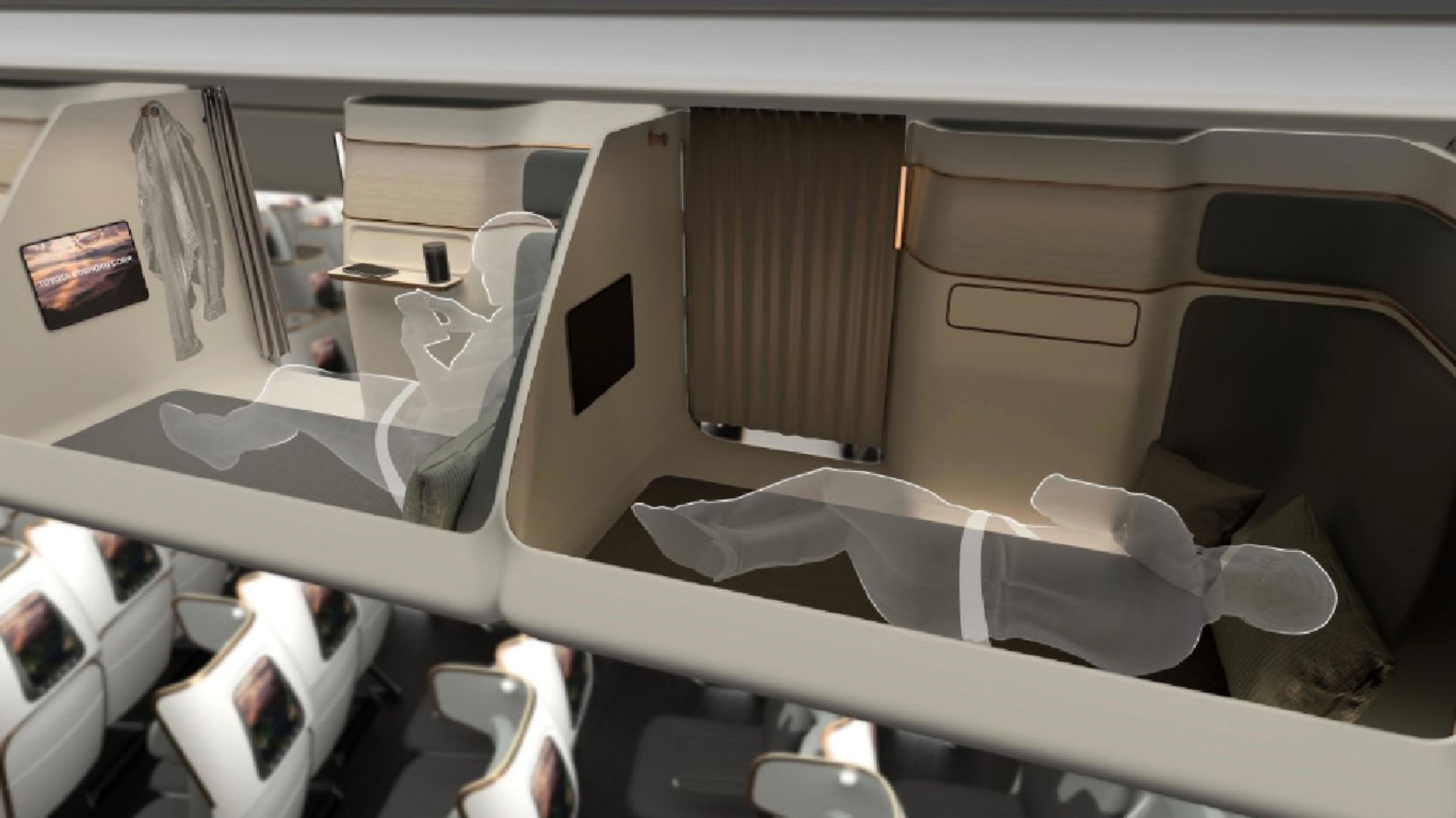
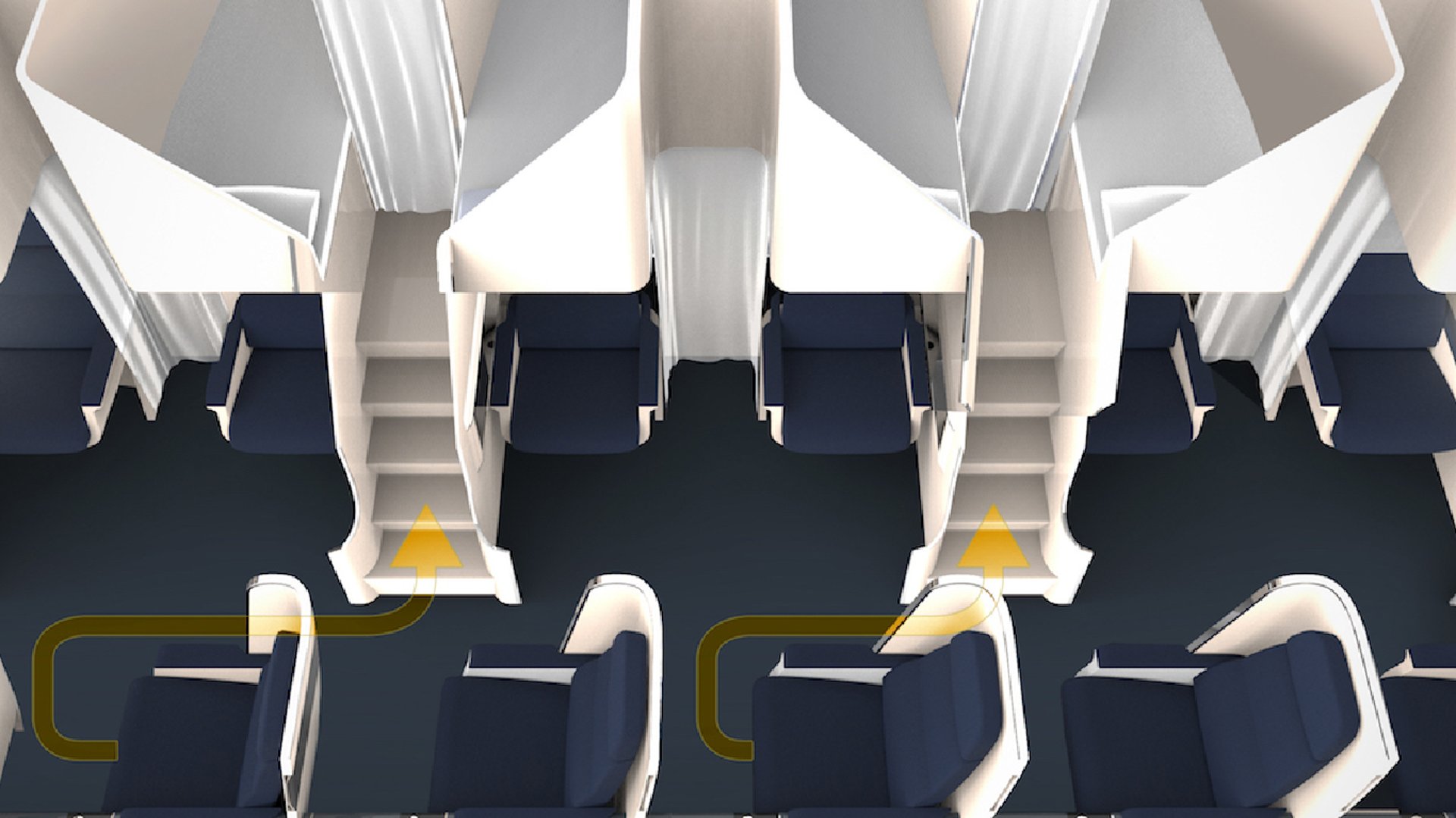
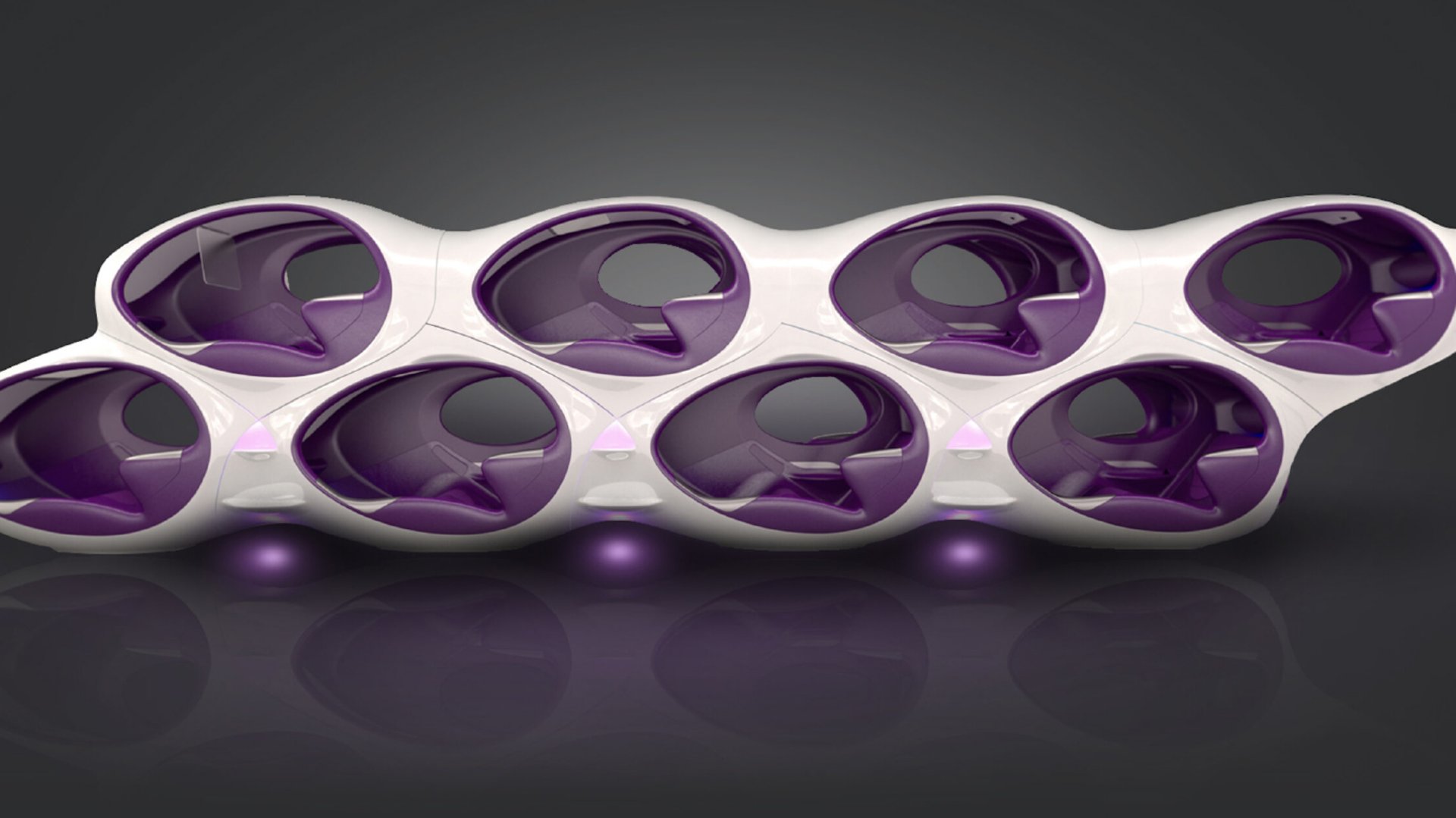
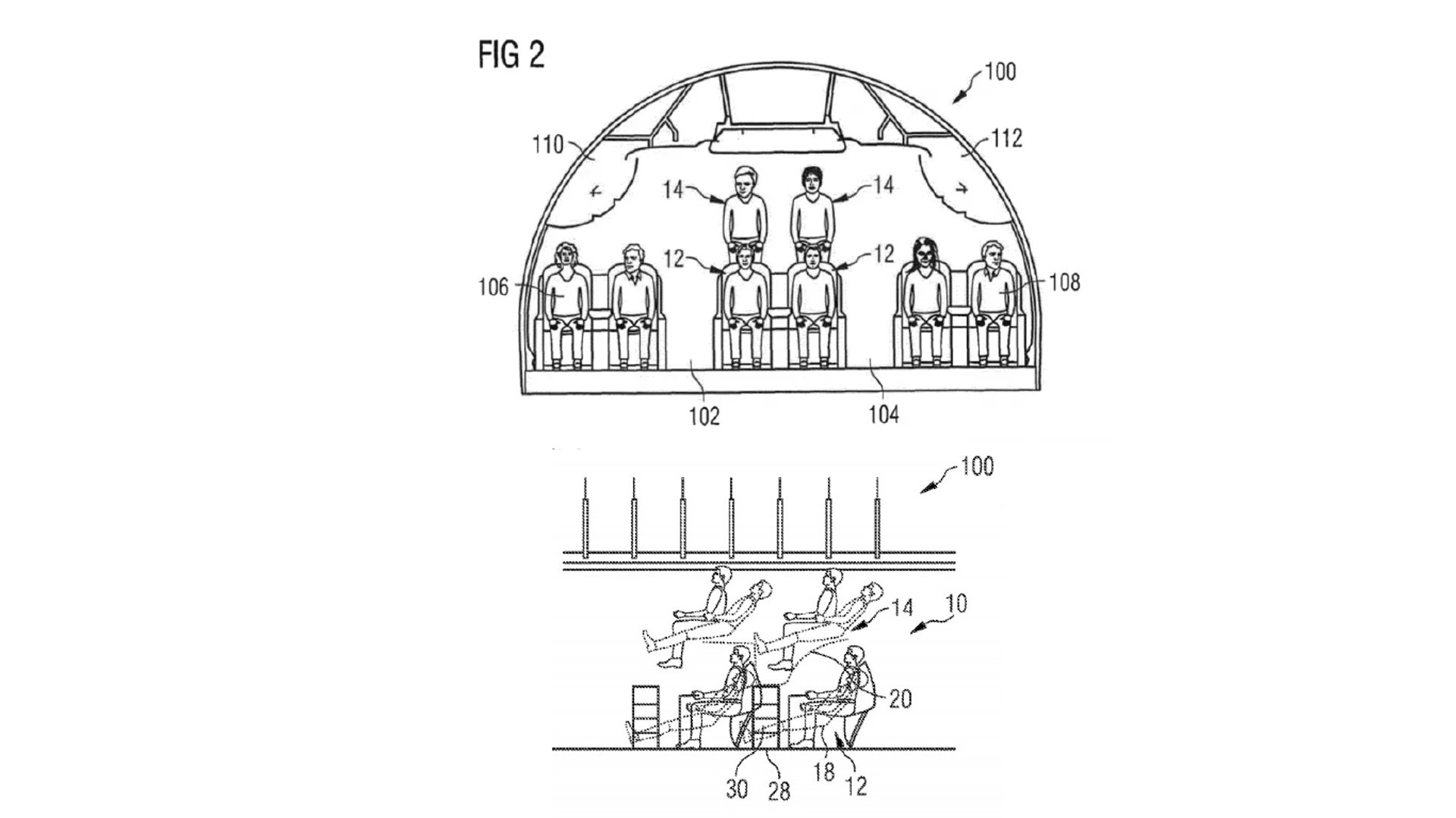
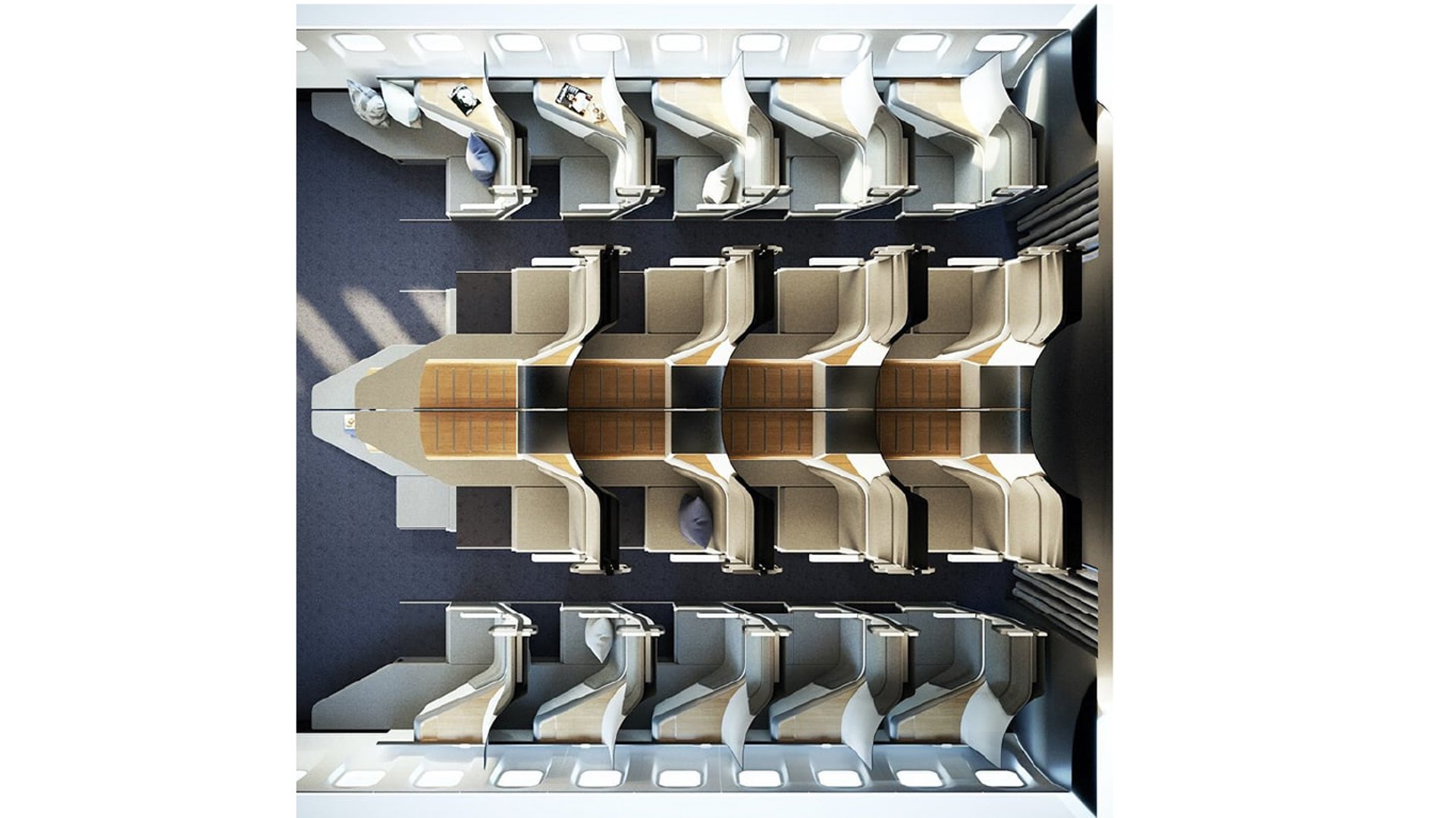
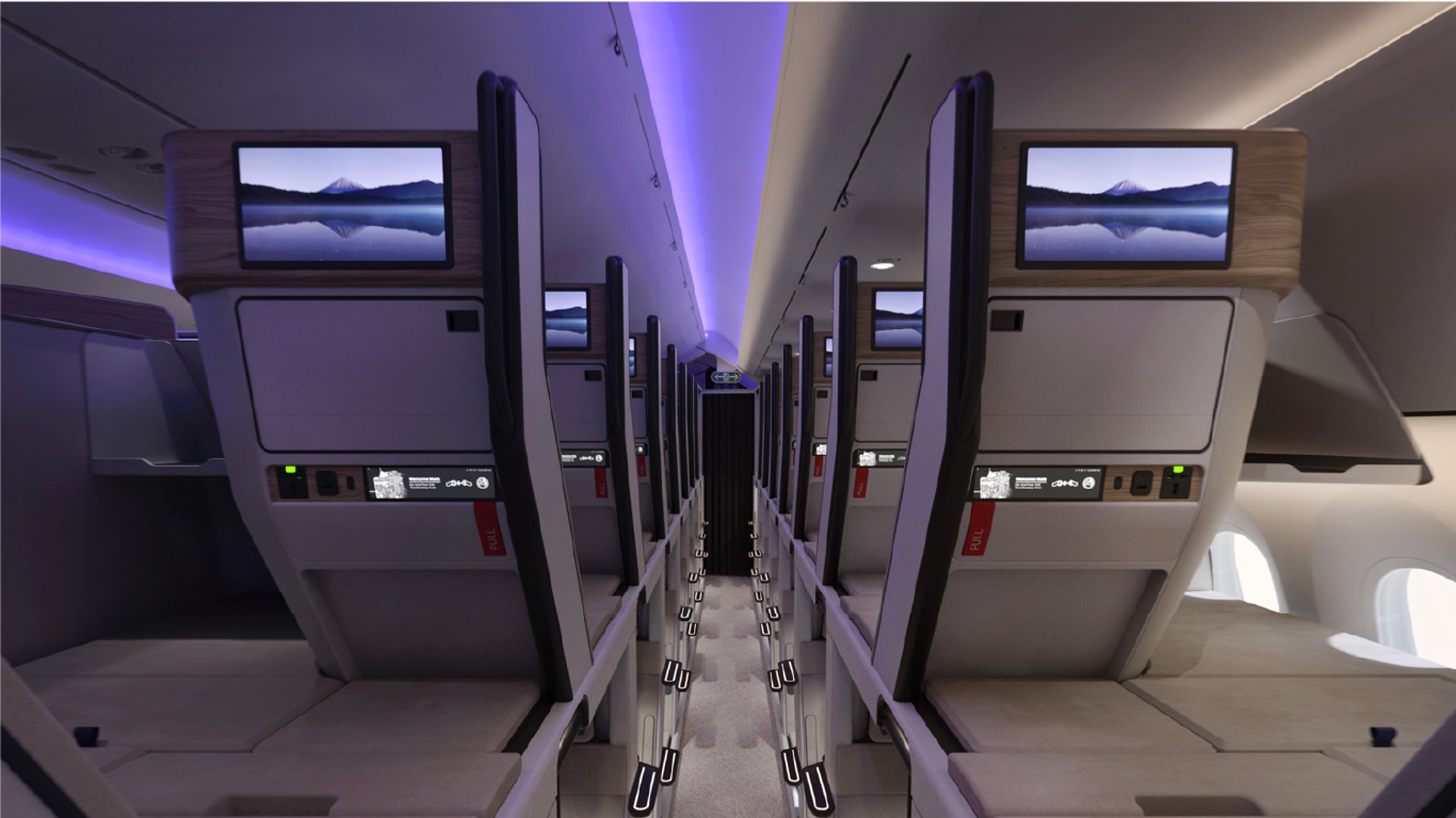
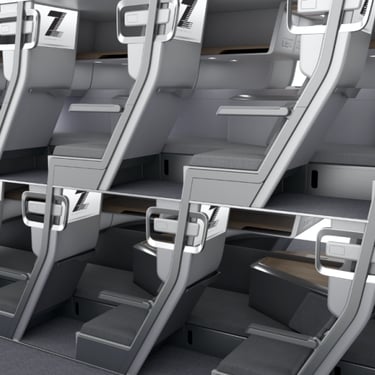
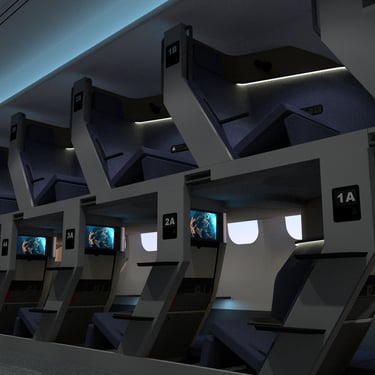
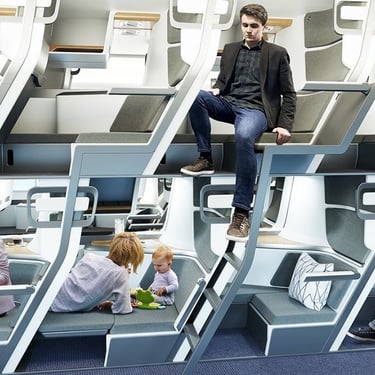
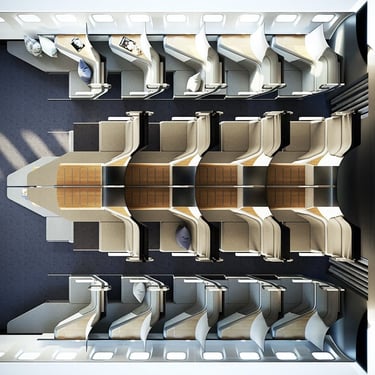
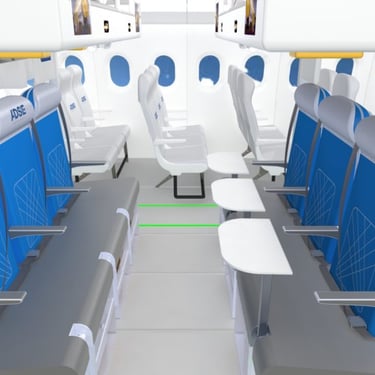
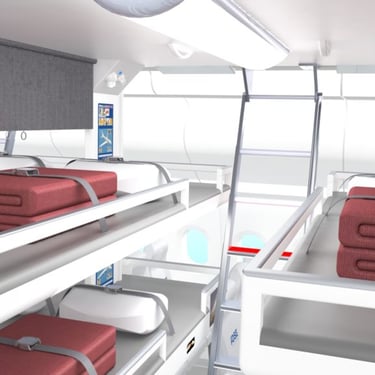
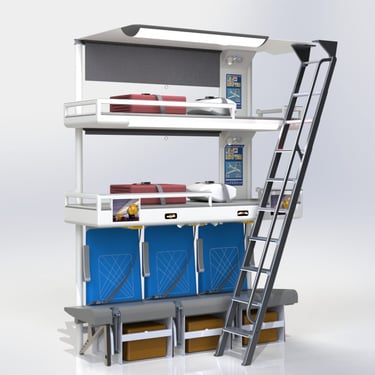
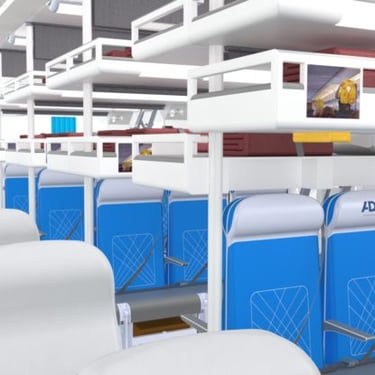
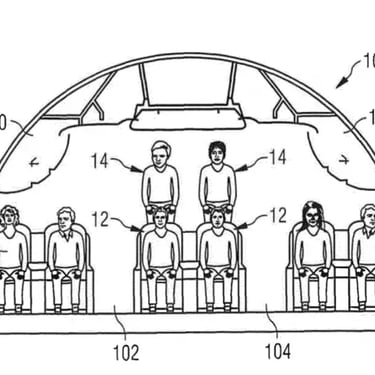
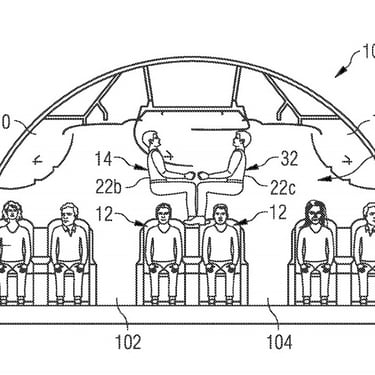
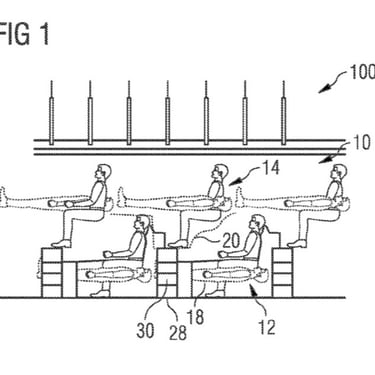
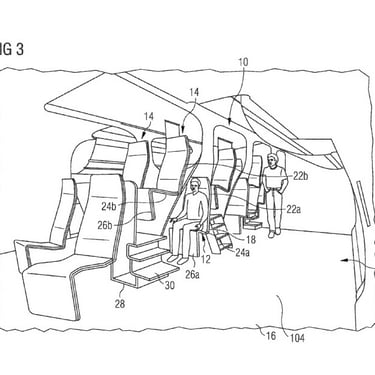
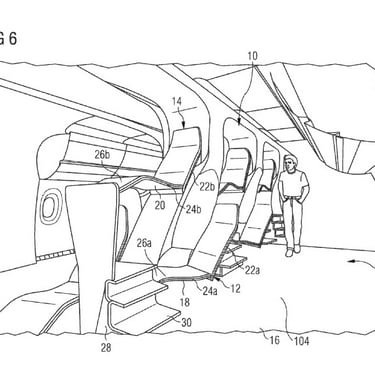
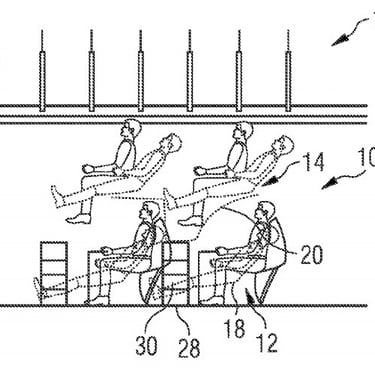
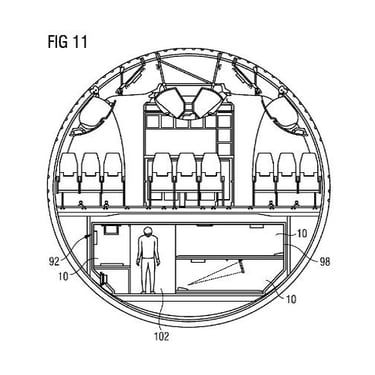
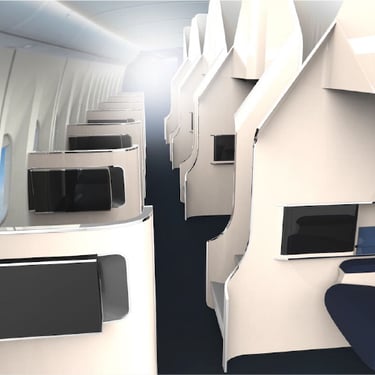
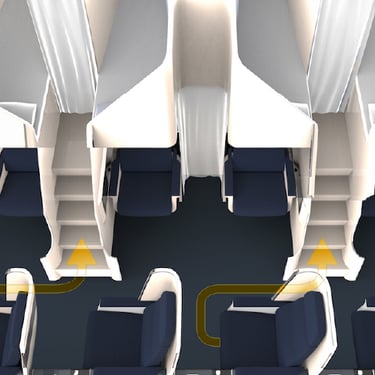
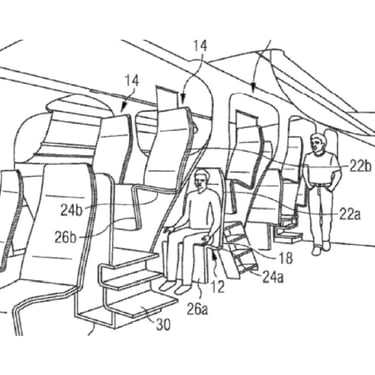
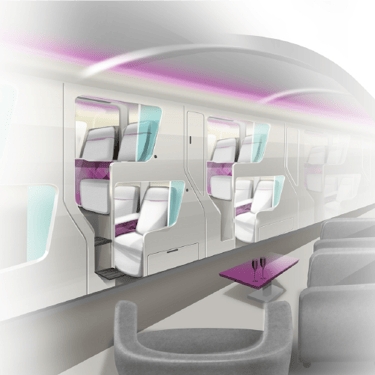
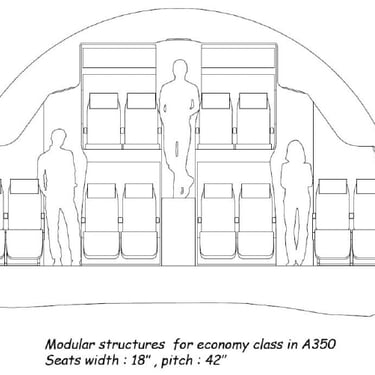
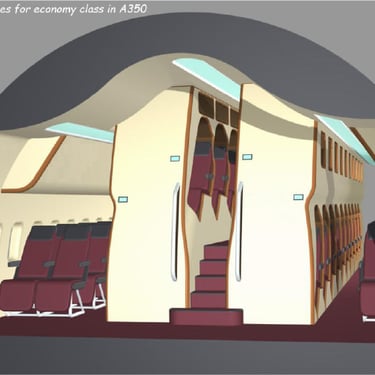
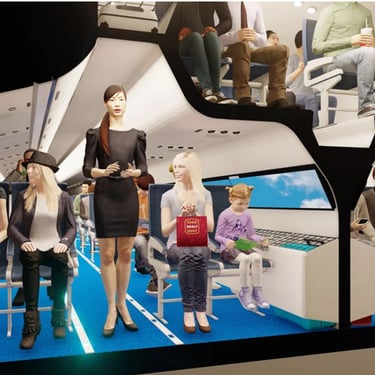
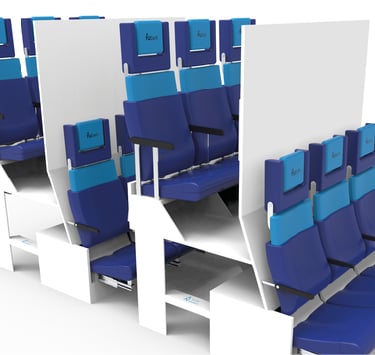
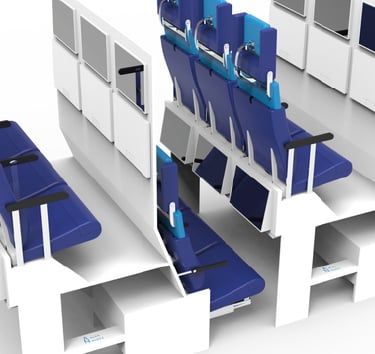
In recent years, multiple cabin layout proposals have investigated methods to make more effective use of the vertical volume above the passenger seating area—space that is currently underutilized in conventional single-deck cabin configurations. These proposals originate from a range of sources, including independent designers as well as established industry stakeholders such as design firms, aircraft manufacturers, airlines, and collaborative research initiatives. Collectively, they demonstrate sustained industry interest in vertical cabin arrangements that aim to improve passenger comfort while maintaining commercially viable seat density. This section reviews several representative concepts, noting that they differ in the extent to which they address key cabin considerations, including safety, ergonomics, certification constraints, and operational integration.
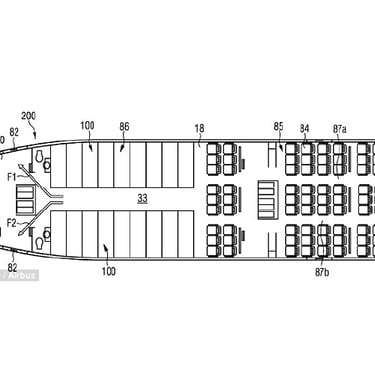
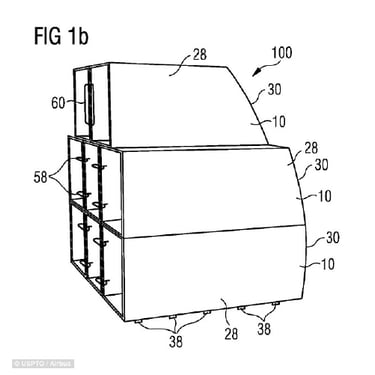
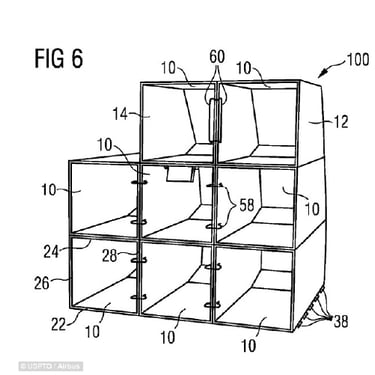
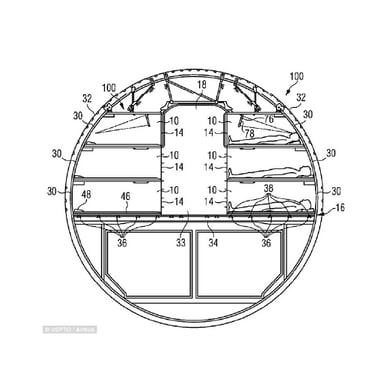
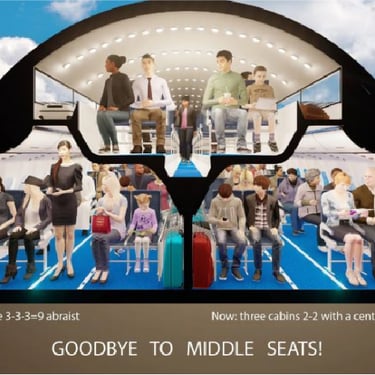
The primary characteristic that differentiates AbH from these approaches is the strategic introduction of additional aisles within the cabin layout. This design choice enables the accommodation of bi-level seating configurations while preserving, and in some cases increasing, overall passenger capacity. From a systems and operational perspective, this approach follows a precedent established with the introduction of the second aisle on early widebody aircraft, most notably the Boeing 747 in 1969. Although initially viewed as an inefficient use of cabin floor area, the second aisle ultimately proved essential to passenger flow, serviceability, and evacuation performance, becoming a standard feature of widebody aircraft architecture.
In the AbH configuration, the inclusion of a third—and where applicable, a fourth—aisle supports bi-level single or double passenger units with direct aisle access at each level. This arrangement facilitates improved boarding and deboarding efficiency and contributes positively to evacuation performance by reducing congestion points and distributing passenger movement more evenly throughout the cabin. From an operational standpoint, these characteristics translate into enhanced safety margins, improved cabin accessibility, and potential reductions in turnaround time, while remaining compatible with existing widebody aircraft dimensions and operational requirements.
Other Concepts
Zephyr Seat 2018
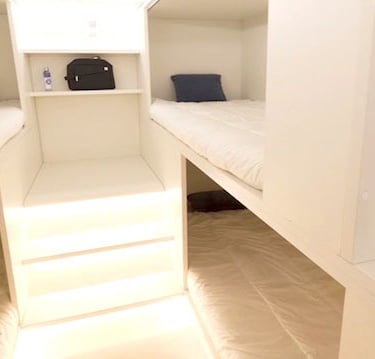
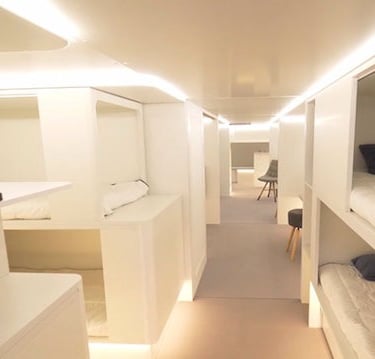
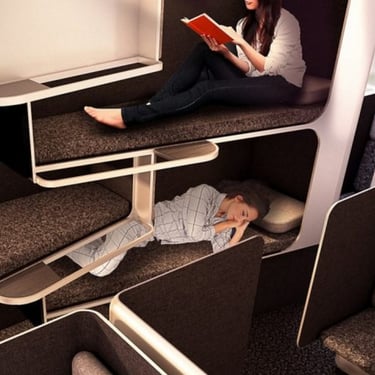
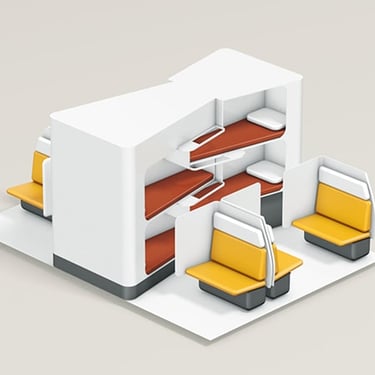
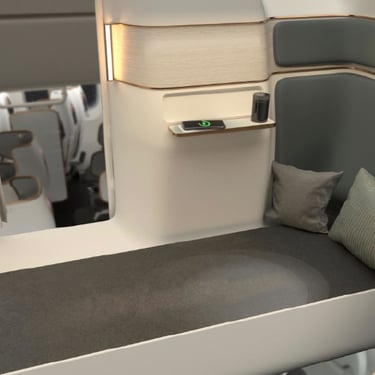
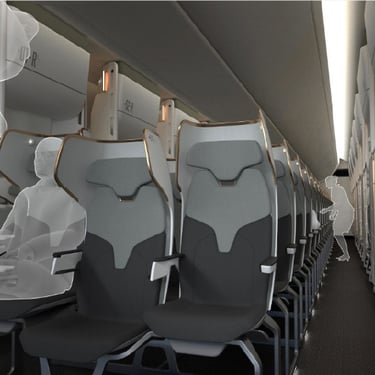
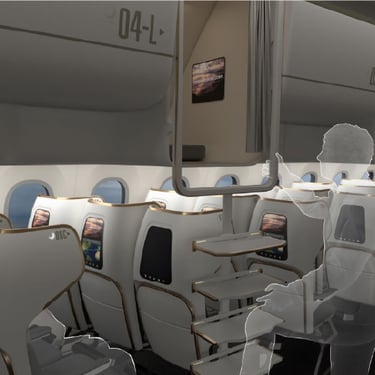
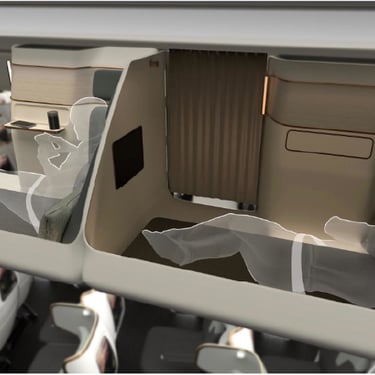
Toyota Boshoku 2021
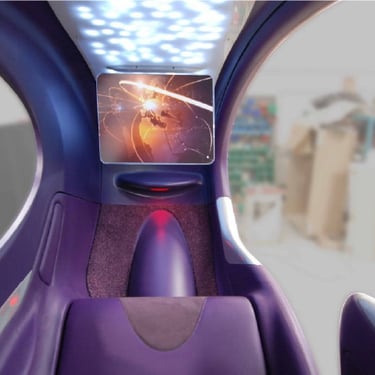
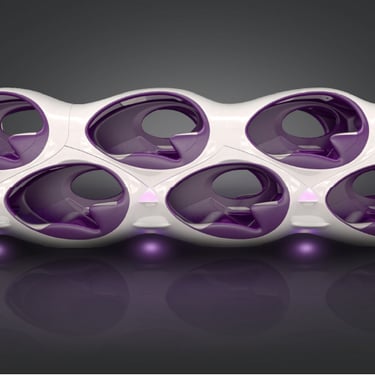
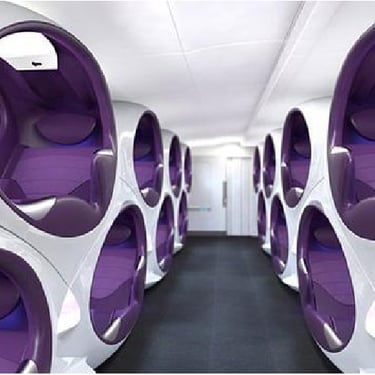
"Cloud Capsule" was nomitanted for the Crystal Cabin Judges Choice Awards
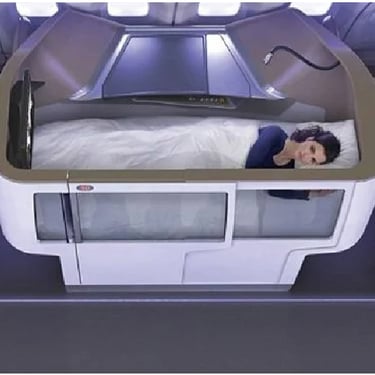
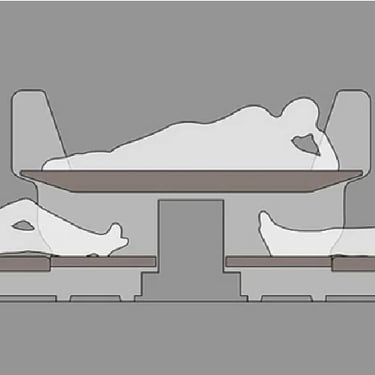
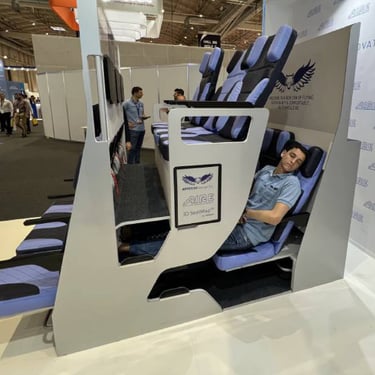
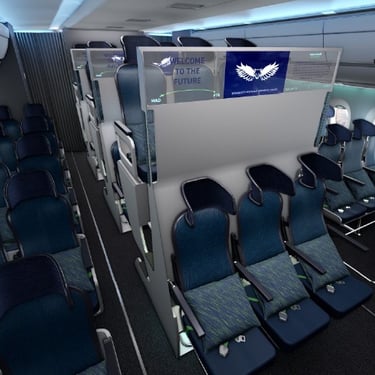
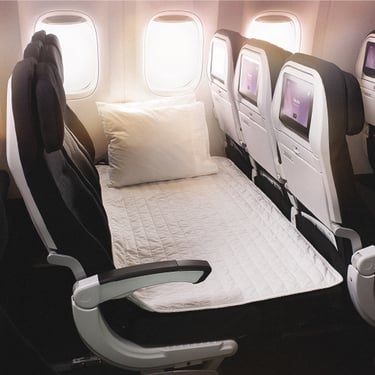
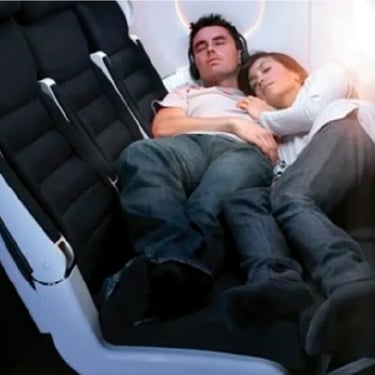
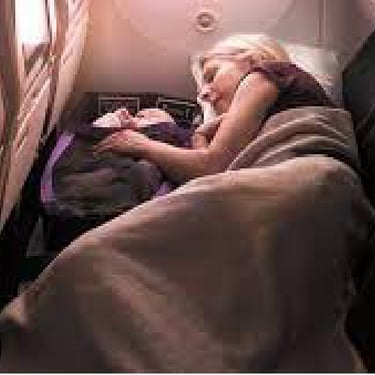
Air New Zealand "SkyCouch" 2021
First "sleeper mode" offered for economy class long haul flights.
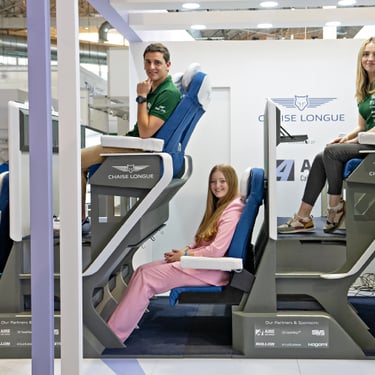
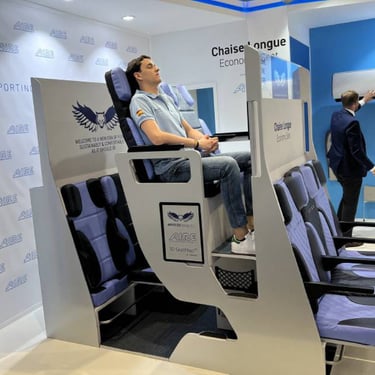
Chaise Lounge 2021
Chase Lounge aims to make flights more comfortable whilst elevating seat count.
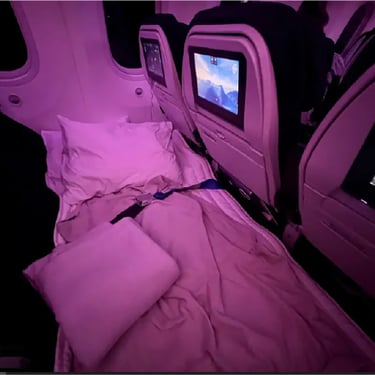
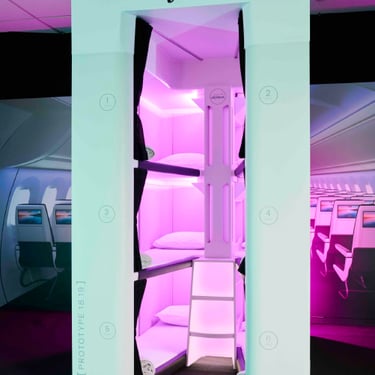
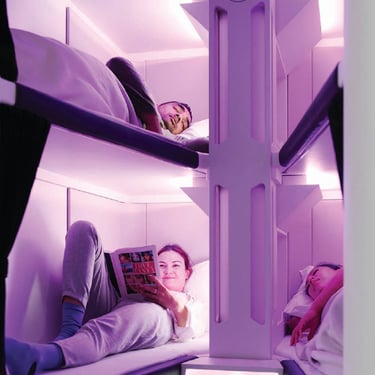
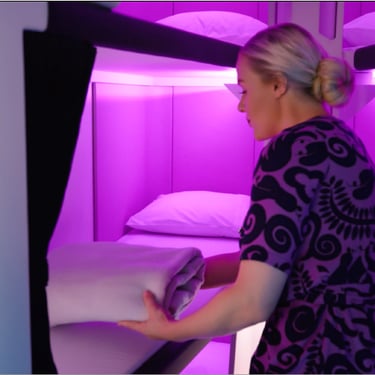
Air New Zealand "SkyNest" 2023
Air New Zealand's Sky Nest is the only bed concept actually in the market, and has attained excellent reviews, opening economy-class passengers' appetite for these kinds of solutions.
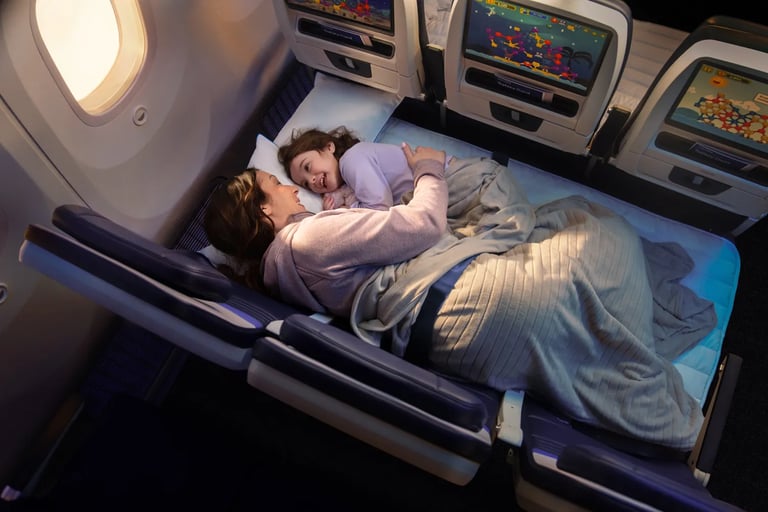
Unated Airlines "Relax Row" 2026
United Airlines surprises the world introducing "Relax Row" an economy class acomodation wich like Air New Zealand´s "SkyCouch" converts a three seat row into a "bed". Thought for family and solo travelers.